Why the Best-Selling Products Aren’t Always the Biggest Ones
Retailers equate size with sales success. They stock massive items that dominate shelf space. They showcase oversized products in prime locations. Yet sales data tells a different story. Surprisingly, the smallest products usually take home the most prizes. It goes against what most stores believe, but it makes sense once you understand customers.
The Psychology of Small Purchases
Small products feel like smaller commitments. Customers overthink big purchases. They hesitate, research, and compare options for weeks. Small items bypass that mental resistance. People grab them without the guilt or analysis that stops bigger sales.
The impulse factor runs stronger with compact products. A customer’s gaze lands on a small object by the register as they queue. They grab it, inspect it, and then place it on the counter. No deliberation needed. That spontaneous decision happens thousands of times daily with small products. Large items rarely trigger such quick choices.
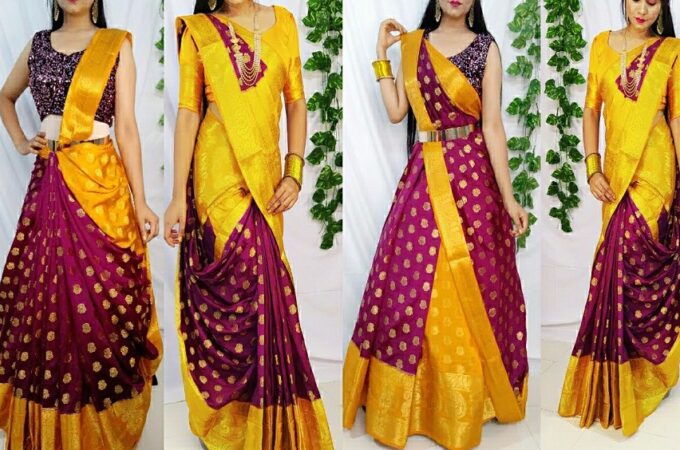
Read More: GLAMOROUS SAREE STYLES FOR WEDDING RECEPTIONS
Small also means portable. Customers walking through malls don’t want to lug huge packages around. They avoid buying anything that complicates their day. Pocket-sized products remove that barrier completely. Shopping continues uninterrupted. The purchase adds no burden. Everyone wins.
Storage and Display Advantages
Small products multiply profit per square foot. One shelf holding fifty small items out-earns another shelf with five large ones. The math favors density. More options in less space equals more opportunities for sales. Retailers love small products for practical reasons too. Storage costs less. Shipping runs cheaper. Low individual item costs soften the financial blow of damaged inventory. These behind-the-scenes benefits add up to healthier margins overall.
Display flexibility changes everything with small merchandise. Staff can create attractive arrangements anywhere. Countertops, wall hooks, standing spinners. Small products fit everywhere large ones can’t. Dead space becomes profitable space overnight.
The Power of Collectability
Small products turn customers into collectors. Nobody collects refrigerators. But they’ll buy twenty different phone cases, keychains, or decorative items. Each purchase feels manageable. The collection grows gradually. Customers return repeatedly for the next addition.
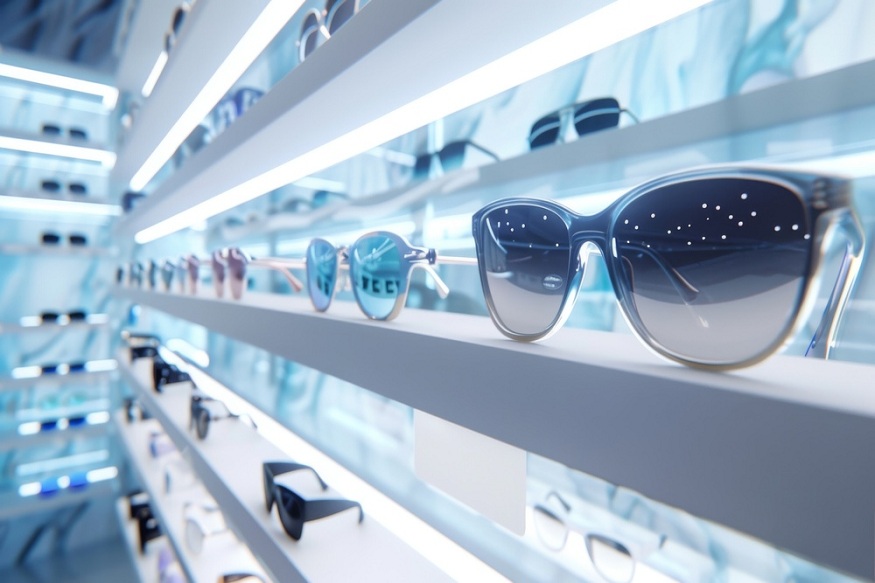
Fashion accessories dominate this category. Giselle sunglasses from suppliers like OE Wholesale Sunglasses prove how smaller eyewear styles can outsell larger frames through sheer volume of repeat purchases. Customers buy multiple pairs in different colors instead of one expensive statement piece.
The gift factor amplifies sales further. Small products make perfect presents. They fit any budget. They work for any occasion. Customers grab them for friends, coworkers, and family members without stress. Large products rarely become casual gifts.
Higher Turnover Rates
Small products move faster through retail cycles. Trends change quickly with compact items. What’s hot this month might be dead next month. But that’s actually good for business. Fast turnover keeps stores fresh and customers curious. Inventory management becomes simpler with small products. Retailers can test new items without major risk. If something fails, the loss stays minimal. If something succeeds, reordering happens quickly. Large products don’t offer this flexibility.
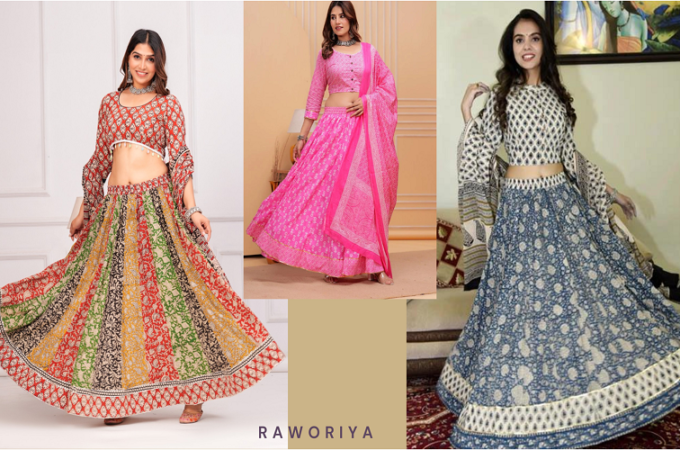
Read More: THIS ETHNIC WEAR BRAND: IDEAL PLACE FOR INDIAN ETHNIC WEAR
Seasonal transitions work better with compact merchandise. Stores can completely refresh their look every few months. Customers notice the changes and visit more frequently. They know new discoveries await them. Large products can’t deliver this constant novelty.
Conclusion
The biggest sellers aren’t the biggest products. Smart retailers discovered this truth through experience and data. Small products reduce purchase resistance, maximize space efficiency, encourage collecting behavior, and enable rapid inventory rotation. They transform casual browsers into repeat buyers.
Success in retail means questioning assumptions about what sells best. Size impresses visually but small products impress financially. The evidence sits in cash registers across America every day. Retailers stocking accordingly see increased revenue and reduced costs. The smallest choices can bring the greatest rewards.